


Now Reading: 120 Bahadur vs Wicked: For Good — Review (Spoilers Included, But Story Nahi Tabaah Hogi!)
- 01
120 Bahadur vs Wicked: For Good — Review (Spoilers Included, But Story Nahi Tabaah Hogi!)

120 Bahadur vs Wicked: For Good — Review (Spoilers Included, But Story Nahi Tabaah Hogi!)


Friends, do movies release ho gayi aaj, aur dono bilkul alag-alag universes se aa rahi hain.
Ek taraf hai Rezang La ki frozen soil par 120 soldiers jo last breath tak lad rahe the, doosri taraf Elphaba aur Glinda ke rishte ka final chapter jo emotional tsunami banega.
Yeh sach baat hai – dono movies ek-dusre se bilkul opposite hain, lekin dono ka narrative power hai ki woh tumhe completely different way mein shake kar jaayega. Toh aaj main tumhe dono ka honest-to-God breakdown de raha hoon – full spoilers included – taaki tum decide kar sako kaun si movie tumhare liye hai.
THE BEGINNING
120 Bahadur: The Cold Opens Even Colder
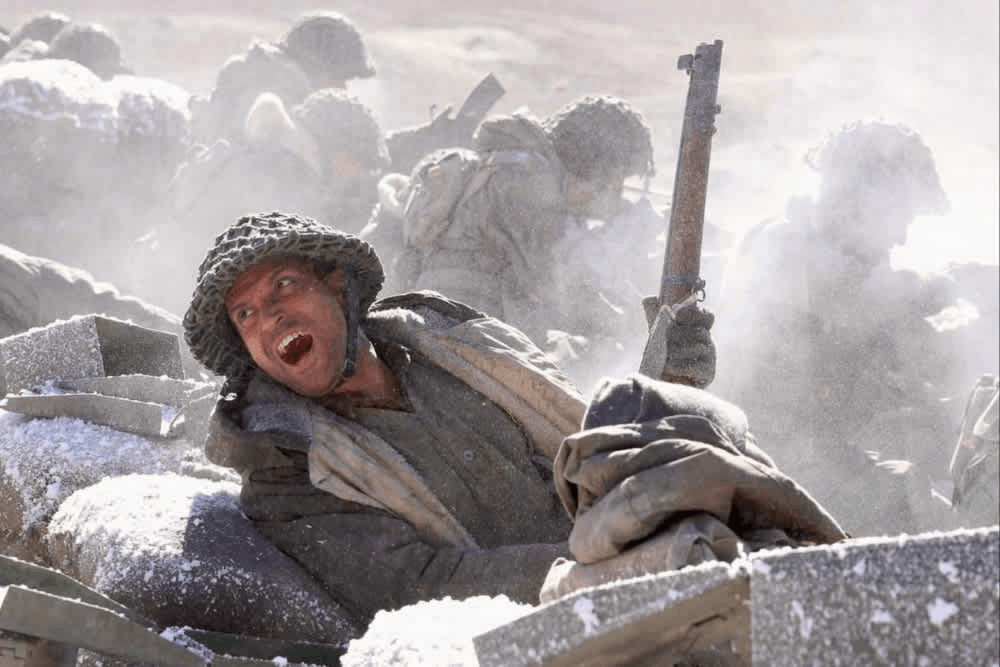
120 Bahadur opens you straight into the hell that is Rezang La – 18,000 feet altitude, minus 20 degrees Celsius, and the silence of mountains that have seen more bloodshed than we can imagine. The film doesn’t waste time with heroic music or slow-mo entries. Instead, it thrusts you into the reality: 120 soldiers from Charlie Company, 13 Kumaon Regiment (113 of them from the Ahir community) are stationed at this pass in November 1962, during the Indo-China war.
Farhan Akhtar ke liye opening scene important ho gaya, kyu?
Kyunki Major Shaitan Singh Bhati ko play karte hue woh har baat mein aapko “great soldier” dikhana tha. But here’s the thing – the opening sequences, they’re taut, they’re realistic, cinematography by Tetsuo Nagata is absolutely stunning – breathtaking mountain visuals that make you feel cold inside the theater itself, but (and this is the spoiler that’s NOT a spoiler) – Farhan’s face in these opening moments?
It doesn’t match the gravity. Major Singh should feel like the backbone of the unit, the man who lives war strategy in his sleep. Instead, Farhan looks like woh abhi socha tha “shayad yeh role theek tha.”
The film later (aur spoiler warning here) when Farhan tries to bark orders at the younger soldiers, it feels performative, not organic. Jab woh motivational speech de raha tha, sab log theater mein dramatic moment ka wait kar rahe the, but reality?
The speech just landed flat. Yeh ek moment tha jahan acting aur character ka gap bilkul clear tha.
Ab interval block se pehle Wicked: For Good ki bhi beginning kar lete hain.
Movie starts with Elphaba and Glinda estranged – already enemies at the film’s beginning. Director Jon M. Chu knows exactly what he’s doing: the friendship is broken, the trust is shattered, aur audience ka emotional journey start hota hai immediately.
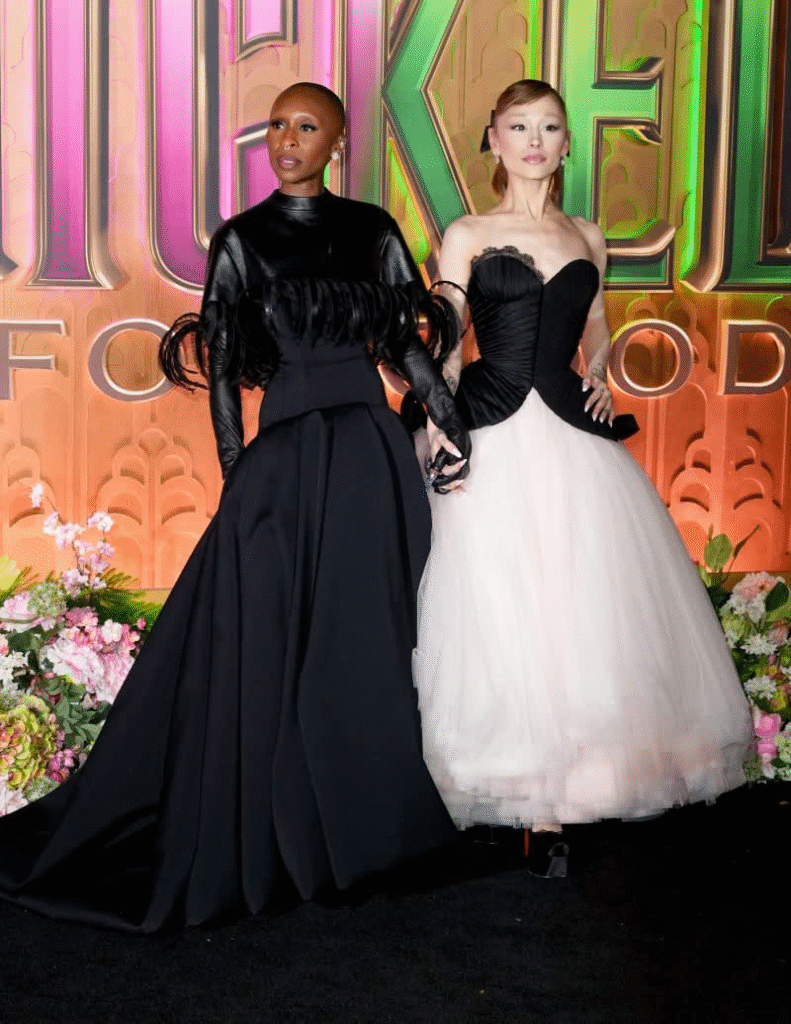
Cynthia Erivo enters as Elphaba and just in the first scene, her eyes tell a thousand stories – betrayal, pain, strength, rebellion. Ariana Grande’s Glinda? Woh politician ban chuki hai now, glamorous but hollow inside.
Yeh opening dekhke exact opposite feeling hai – jahan 120 Bahadur mein chill (literally) aur cold (physically aur emotionally) atmosphere hai, Wicked opening mein drama aur anguish ho raha hai immediately. Music starts, costume design immediately gives you that grand-scale feeling, aur you know ki three hours mein aapka heart tut-tut jaayega.
INTERVAL BLOCK (BEECH WAALA TWIST KAHAN HAI?)
120 Bahadur – The Battle Sequences That Should Break You But Don’t Completely
Ab interval se pehle, 120 Bahadur mein actual battle hona shuru hota hai. November 18, 1962, dawn – Chinese forces attack from multiple directions. The film doesn’t shy away from showing the brutality. Explosions, men falling, blood on the snow – sab kuch dikhta hai.
But yeh baat samajhte ho? Historical accuracy ke liye – 5,000 Chinese soldiers attacked just 120 Indians. The actual battle lasted the entire day with multiple waves of assault. Hand-to-hand combat happened. Soldiers fought till their last bullet, even fought with bare hands jab ammo khatam ho gaya.
Spoiler time now: Multiple platoons fall. Sparsh Walia, Ankit Siwach, Sahib Verma, Dhanveer Singh – these younger actors (not the main star, notice?) – they literally become the heart of the film. Their scenes together, the camaraderie, the gallows humor while waiting for death – that’s where the film actually works.
Ek scene mein one soldier naively poochtā hai Farhan ke character ko, “Aapne kisi ki jaan li hai?” (Have you killed someone?) – aur that one line carries more emotional weight than most of Farhan’s bigger moments.
Another soldier confesses he actually didn’t choose this life; family legacy ke karan force hua tha army mein. Even in his dying moments, woh bas apne father ko proud dekhna chahta tha.
Spoiler alert: By interval, you know what’s coming – most of these soldiers will die. When they start dying in each other’s arms, theater mein tears aate hain, lekin woh tears kyunki film ka manipulation hai, ya kyunki story genuinely strong hai – this is where 120 Bahadur falters a bit.
The film tries to create these engineered emotional moments, but when the Diwali flashback scene comes with Farhan and Raashi Khanna trying to show the family sacrifice angle – it feels forced, not organic.
Cinematography is actually jaw-dropping, though – the snow becomes a character, the silence becomes a weapon, and when you see both Indian and Chinese bodies scattered on white snow near the climax, that image hits you. That image tells you: war destroys everyone.
Wicked: For Good – The Plot Twist That Breaks the Friendship Forever
Wicked: For Good ke interval tak, things have escalated. [SPOILER WARNING NOW] – Elphaba aur Glinda ke between jo secrets buried the, woh sab uncovered hone lagte hain. Their relationship, which was the core of the first film, is being tested.
The film’s screenplay (Winnie Holzman and Dana Fox) actually takes major deviations from the Broadway version to expand Glinda’s character – aur this is where Ariana Grande absolutely shines. Earlier, Glinda was always “the pretty sidekick,” but here? She’s given an equal voice, equal depth. Woh decisions leti hai jo tragic hain, manipulative hain, but also human.
Yeh interval block mein Jon M. Chu ka direction decision dikhai deta hai – some moments are expanded (more scenes between Elphaba and Glinda), some songs are altered, and some new songs added. Reddit mein general audience reaction mixed tha – some people loved the expansion, some felt it was unnecessary.
Key spoiler: By interval, the friendship has basically broken completely. Glinda has become complicit in a political system that hunts Elphaba. This isn’t friendship drama – it’s betrayal, survival instinct, and the cost of choosing power over loyalty. Heavy stuff.
Music-wise, the interval block mein “No Good Deed” aata hai – aur yeh Cynthia Erivo ka powerhouse moment hai. Vocals ka showcase, visual set piece – sab bilkul stunning.
CLIMAX BLOCK (DONO KI ENDING KAISI HAI?)
120 Bahadur – Frozen Bodies Holding Guns
Climax tak, woh historical fact hit karta hai – 110 out of 120 soldiers are killed by the end of the battle. The film shows them frozen in their battle positions, still holding their weapons, having fought to the last bullet.
Major Shaitan Singh ke character mein here’s the thing: [SPOILER] He gets wounded, not once but twice, refuses evacuation, keeps fighting despite being in immense pain. It’s historical fact that inspires, but on-screen, Farhan’s portrayal doesn’t fully capture the intensity of that sacrifice. The actor’s range feels limited in these high-stakes moments.
What makes the climax powerful isn’t Farhan – it’s the younger actors. The actual death scenes, the moments where soldiers realize they’re not going home, the final stand – that’s raw, that’s real.
Director Razneesh ‘Razy’ Ghai (an army kid himself, directing his first feature here) clearly had the intention right, but execution had gaps.
Historical accuracy note: The real story is that 120 soldiers delayed Chinese advance for hours, China called off the offensive the next day, and declared ceasefire on November 21. This prevented deeper Chinese occupation of Ladakh. It was a tactical victory despite being a strategic loss in the larger war context.
The climax’s best moment: When the search party finds these frozen bodies in February 1963, still in battle positions, still gripping weapons – cinema captures that, and it’s genuinely haunting. That visual hits harder than any dialogue.
Song “Yaad Aate Hain” (the film’s emotional anchor supposed to be) – woh Sandese Aate Hain level nahi hua. It’s melodious, technically good, but doesn’t make you cry the way it’s intended to. It’s just a nice song.
Wicked: For Good – The Sacrifice, The Separation
Wicked: For Good climax? It’s heartbreaking in a completely different way. [BIG SPOILER INCOMING]
Elphaba and Glinda have to part ways. Their friendship can’t coexist with the worlds they’ve chosen. Glinda has political power now, Elphaba is literally a wanted fugitive. It’s a separation that’s final, that’s sacrificial, but it’s born out of love, not hatred.
The final song “For Good” – Jon M. Chu basically keeps this from the stage production, aur this is where the entire film sticks its emotional landing. [SPOILER] When Elphaba and Glinda ease into the harmonies toward the very end, celebrating the reciprocal rewards of love and support – Reddit ke responses batate hain ki theater mein girls literally started sobbing, tears flowing through the entire final act.
Cynthia Erivo’s vocals here are magnificent – she has a powerhouse voice, lekin Ariana Grande? Audience reactions suggest Grande’s performance is the surprise winner of the film. She brings this vulnerability, this depth to Glinda that stage version didn’t have.
On acting: Both actors’ performances get elevated in this second film. Yeh dono ne exactly woh dikhaya jo screenplay demand kar raha tha – Glinda’s transformation from princess to politician who’s complicit in state machinery, Elphaba’s journey from rebel to exile to legend.
Music breakdown: New songs written specifically for the film are mixed reception wale. Some are stunning, some feel unnecessary. But the returning Broadway tracks? Those are handled beautifully, expanded to give both characters equal weight in the narrative.
PRODUCTION, BUDGET, DIRECTION KA ANGLE
120 Bahadur – Made with Respect, But Budget Constraints Show Sometimes
120 Bahadur production-wise is solid. Shot on real locations (Ladakh backgrounds are genuine – cinematography by Tetsuo Nagata is award-worthy). But the film didn’t have mega-budget Hollywood scale. Where it mattered (visuals, locations, authenticity), budget went. But sometimes, aapko feel hota hai that certain emotional sequences could’ve been handled with better resources or better actor in lead role.
Farhan Akhtar ne previous war films mein (like Lakshya, which remains the gold standard in this genre) woh intensity dikhaya tha. But 120 Bahadur mein – he’s not bad, he’s just not matching the gravity of what the story demands.
Director Razneesh ‘Razy’ Ghai – first feature directorial, aur woh ek army kid hai, so connection toh tha material se. Intention clear tha. But sometimes intention aur execution ka gap rahta hai, aur 120 Bahadur mein woh gap visible hai.
Controversies too: There was a PIL filed claiming the film distorts historical truth of Battle of Rezang La. Ahir community initially had concerns about representation (113 out of 120 were Ahir soldiers, it’s historically significant, aur makers ne respect dikhaya, but creative liberties bhi li hain).
Wicked: For Good – Hollywood-Scale Production, Every Paisa Visible
Wicked: For Good is a Universal Pictures production. Budget clearly massive tha. Jon M. Chu (previously directed Crazy Rich Asians, In the Heights) – woh director with proven track record of handling emotional, musical, spectacle-driven films ek saath hai.
Production design: Art Nouveau-style sets, ornate costumes – “nothing short of astonishing,” critics likhe hain. Virtual effects heavily used (unlike the first Wicked film which blended practical and virtual seamlessly).
Screenplay: Winnie Holzman aur Dana Fox ne Broadway ki story ko expand kiya, Glinda ke character ko strengthen kiya, aur relationship arc ko deepen kiya.
CAST PERFORMANCES: WHO WOULD’VE BEEN BETTER?
120 Bahadur – The “What If” Factor
Real talk: What if a different actor had played Major Shaitan Singh?
Actors like Hrithik Roshan ya Ajay Devgn – in their war drama phase – would’ve brought a different intensity. Ajay Devgn especially has this natural gravitas, that commanding presence. Hrithik has the physicality.
The thing with Farhan in 120 Bahadur is – naturally softer, more vulnerable in his performances. Lakshya mein woh vulnerability ne backstory serve kiya (yeh ek aimless guy tha jo soldier bana), but Major Shaitan Singh isn’t supposed to be vulnerable – it was supposed to be the rock, the leader, the last stand personified.
Younger actors? Sparsh Walia, Ankit Siwach – unhe kisi aur film ka lead role mein dekh ke bataunga properly. But yahan pe unka non-star status actually worked because hum as a audience watching the film, unhe soldiers samajhengi, characters nahi.
Wicked: For Good – The Casting That Stole the Show
Cynthia Erivo aur Ariana Grande – dono ki casting exactly sahi hai, but Ariana Grande ke performance ko audience ne as the revelation marked kiya.
Why? Because Ariana herself was Hollywood’s biggest popstar – usse acting chops ko underestimate karte the. But here, she delivers a nuanced, layered performance. Glinda is supposed to be “the perfect princess,” but Grande ne woh show kiya who’s internally conflicted, politically ambitious, willing to sacrifice friendship for power.
Cynthia Erivo? Pehle pehle hi Oscar-nominated hai, aur this film just consolidates uski position as one of the finest actors of this generation.
AUDIENCE REACTIONS: THE REAL STORY
120 Bahadur – Audience Says “Respect, But Not Shaken”
General audience reviews jo mainstream nahi hain:
- Soldiers ke scenes mein sab ro rahe hain (the younger actors’ death sequences hit hard)
- But Farhan ke scenes mein mixed reactions
- Historical angle dikhaya toh emotional connection hua, lekin theatrical magic nahi bana
- Cinematography extensively praised (alone makes people say “worth watching”)
- Common feedback: “Respect dene wale film, shake dene wali nahi”
Wicked: For Good – Audience Says “Emotional Gut Punch”
Reddit aur Twitter:
- “Cynthia Erivo is magnificent” – consensus
- “But wait for Ariana Grande” – repeated across social media
- “The final 30 minutes will destroy you emotionally”
- Relationship between Elphaba aur Glinda – yeh central emotional core, aur film deliver karte hai
- Some fans felt new songs unnecessary (Reddit pe specifically yeh criticism aaya), lekin majority embraced the expanded narrative
- Common feedback: “Two-hour cry fest, but earned, not manufactured”
THE VERDICT: WHICH ONE MATCHES YOUR VIBE?
Watch 120 Bahadur if:
- Aapko history ke through patriotism connect karta hai
- Indian military’s untold stories sunne mein dil karta hai
- Cinematography appreciate karte ho (mountains, snow, visual storytelling)
- Aapko Farhan Akhtar’s performance accepted hai (aur young cast ko lead consider karte ho)
- 2 hours mein respect feel karna ho, usse zyada nahi
Watch Wicked: For Good if:
- Emotional depth mein invested hote ho (especially friendships, relationships, sacrifice)
- Ariana Grande aur Cynthia Erivo ka acting showcase dekhna hai
- Spectacular production design ka fan ho
- 3 hours ka cry fest ready ho, aur pehle wali Wicked dekhi ho (yeh Part 2 hai, Part 1 context zaroori hai)
Watch BOTH if: You want stories from completely different genres taught by cinema – one through blood and patriotism, one through music and emotion. Both are artistically made, both demand your time, both deliver something that will stay with you. Time is also money my friend, so wisely spent your money.
Toh bolo, comment section mein – kaun si movie ko apna valuable time doge ya dono ko hii nahin doge?
Comment, share, aur batao apne experience!